Trending

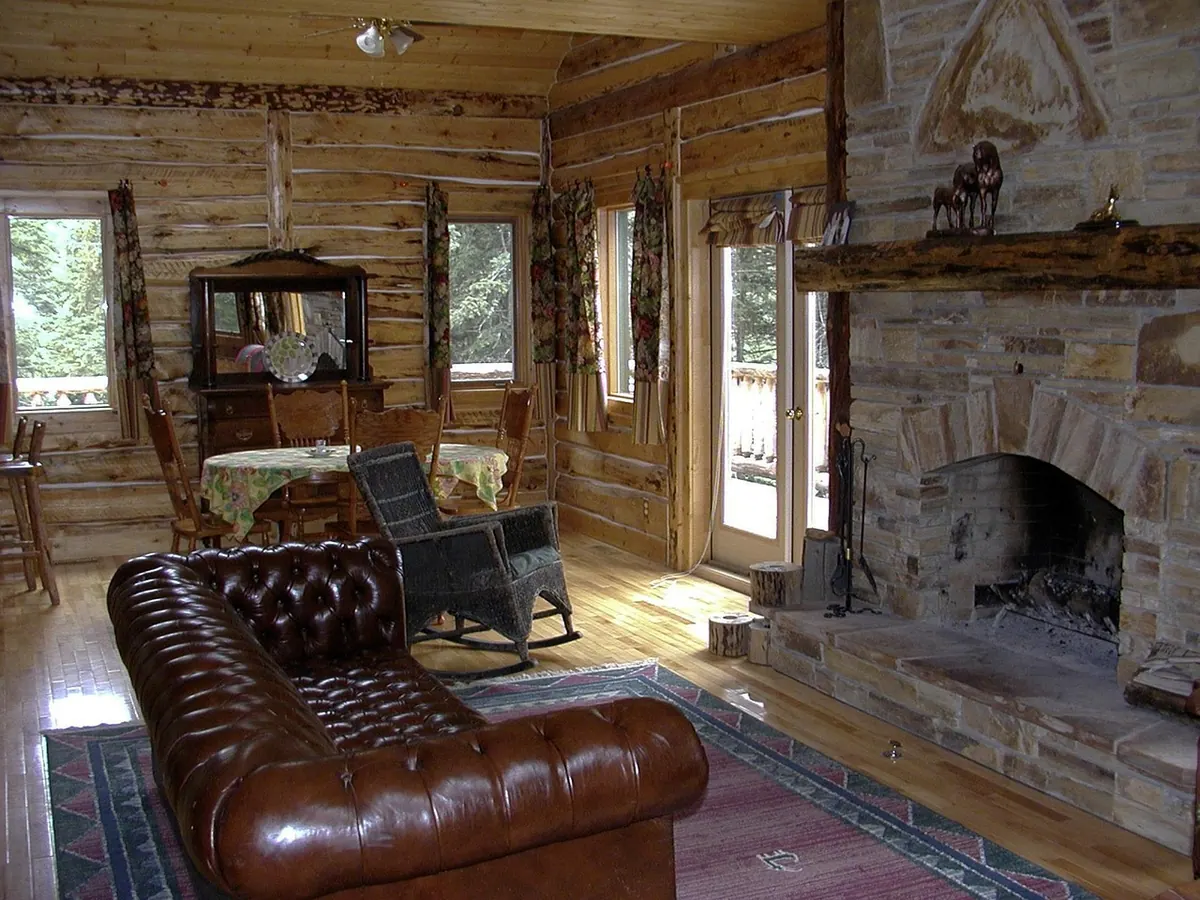
A lodge weekend has its own rhythm. You arrive after dark, someone else has the fire going, and the next two days are mostly about a short walk, a long lunch and doing very little in between. Packing for that is not quite the same as packing for a ski holiday or a full day on the mountain. You need warmth for the porch, layers for the trail, and enough small comforts to make a shared room feel like yours. What follows is a Friday-to-Sunday checklist, built to be adjusted rather than followed to the letter.
The mistake most people make is packing for one version of the weather. A lodge weekend usually delivers three in two days: a cold, bright morning, a warm climb in the afternoon, and a draughty evening on the terrace. Layers handle all of it; separate outfits don't.
Against your skin, choose merino wool or a synthetic base layer rather than cotton. Cotton holds moisture and turns cold quickly, which is the last thing you want after a climb. Two base layers are enough for a weekend: one for travel day, one fresh for the next morning. Over that, a fleece or a thin down jacket. On top, a waterproof shell with a hood, cut generously enough to fit over the down. That combination will carry you through a sunny walk at minus two and a wet, windy descent on the same afternoon.
For legs, softshell or walking trousers, with a warm legging underneath if the forecast looks serious. Jeans are fine for the lodge and miserable on a wet path. Bring one pair of gloves plus thin liners, a hat that covers your ears, and a neck gaiter you can pull up over your chin. Socks deserve more attention than they usually get: three pairs of wool or wool-blend walking socks, and one thick pair kept dry for the evening.
Everything you need between breakfast and dinner should live in a small pack, filled the night before so that mornings stay slow. Ten litres to twenty is plenty for a lodge stay.
The headlamp is the item people leave behind and then borrow. Days shorten quickly in winter, and a path that took forty minutes in the morning can take an hour in the dark. If you are relying on a phone map, download the area before you drive up; signal at altitude is unreliable and battery drains fast in the cold.
Lodges are warm, but rarely in the way your living room is warm. Wood stoves dry the air, floors stay cold, and shared sitting rooms mean you are never quite alone. A few small items make the difference between a pleasant stay and a great one.
If the lodge has a hot tub or a sauna, pack a swimsuit and a towel you don't mind using outdoors. Ask before you assume towels are provided; some places supply them, others expect you to bring your own.
Check what the lodge provides before you load the car. Many supply coffee, tea and a kettle in the room, and some run a set dinner or keep a small shop. Once you know, fill the gaps rather than duplicating what's already there.
Usually worth bringing: coffee you genuinely like, a box of good tea, a bottle of wine for the evening, and something to eat on arrival night when the kitchen is closed and you are too tired to drive anywhere. Cheese, crackers, olives and a bar of dark chocolate cover that first hour nicely. A flask of something hot for the trail, and a tin of hot chocolate powder for the return, are small luxuries that cost almost nothing.
If you are self-catering, a small cutting board and one sharp knife are often missing from rental kitchens. For a shared dining room, keep strong-smelling food sealed and out of the way, and label anything you put in a communal fridge. If you are flying, remember that liquids and some foods are restricted in hand luggage, so pack accordingly.
You are unlikely to need much, which is exactly why a compact kit is worth the space. Blister plasters, a few painkillers, any personal medication, a charging bank, spare batteries for the headlamp, a multi-tool, a couple of safety pins and a metre of duct tape wrapped around a pencil. Add a spare pair of laces if your boots are older than you'd like to admit.
If you take regular medication, keep it in your hand luggage rather than the boot of the car, and ask a pharmacist about anything that shouldn't freeze or sit in a cold vehicle. For anything beyond minor bumps, speak to a health professional rather than self-diagnosing from the internet.
Confirm the check-in time and whether dinner is served on your arrival night; a kitchen that closes at eight is a detail worth knowing at four. Do a quick winter check on the car: tyres, washer fluid, a blanket, and chains or snow socks if the road climbs. Download your directions, tell someone your route, and put a little cash in your wallet for an honesty box or a tip.
Then leave a bit of space in the bag. You will come home with damp gloves, a half-eaten wedge of cheese and, if the lodge is any good, a jar of something from the village shop. Packing light enough to fit that in is part of the pleasure.
Photo: ArtTower / Pixabay