Trending

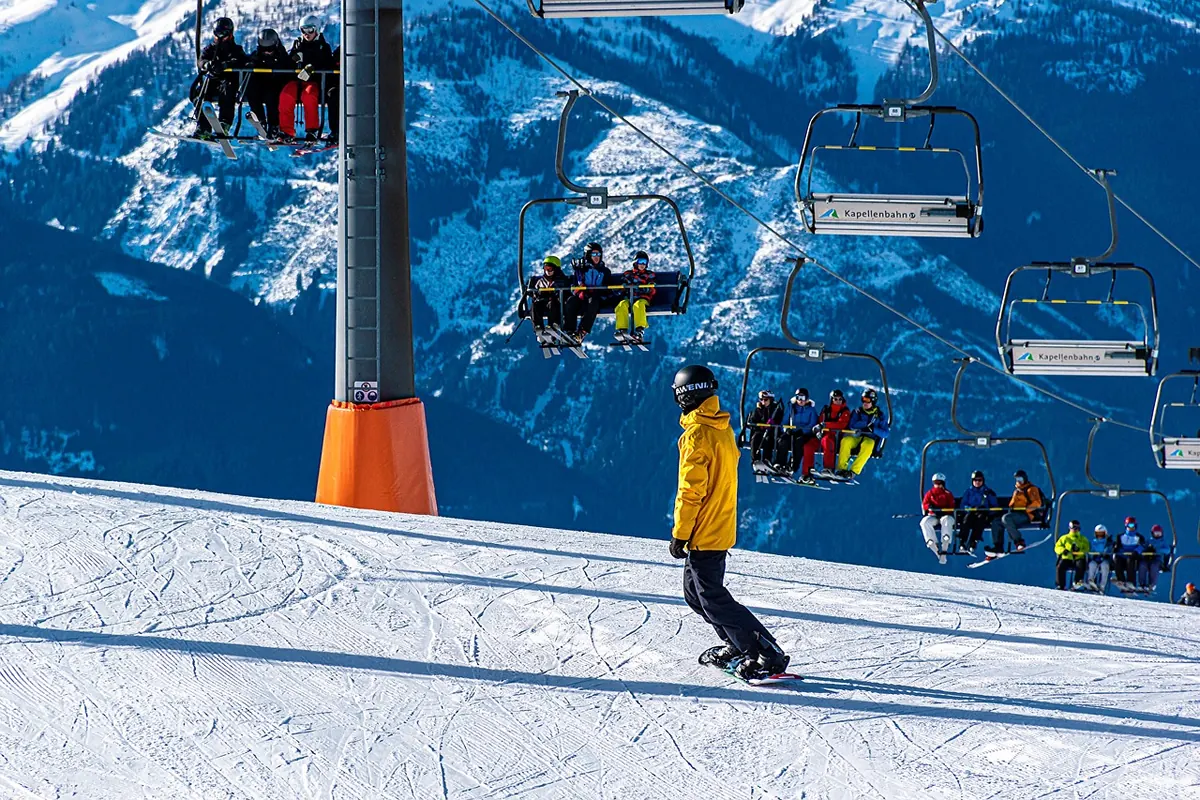
Ride the same lift in mid-December and again in mid-April and you would swear the mountain had swapped personalities. December is cold, white, quick to fade into darkness, and crowded with people in new gloves. April is soft, bright, generous with daylight, and half empty by three in the afternoon. Neither version is better in the abstract. They suit different skiers, different budgets, and different appetites for uncertainty.
What follows is what genuinely changes between an early-winter trip and a spring one, and how to plan around each.
Early-season snow is a promise; late-season snow is a track record. That single difference shapes almost everything else.
Before Christmas, a lot of the white you see is manufactured. Snowmaking crews work through the night, groomers push piles into shape, and the base is often a few centimetres of man-made snow over grass, rock, or a dirt road. It skis fine on piste and can be genuinely excellent on high, north-facing slopes where the low sun never softens it. Off-piste is another matter: stones, saplings, and drainage channels are still there, just hidden.
Mornings tend to be hard and fast, sometimes glassy, especially on runs that were wet the day before. Afternoon light is flat and short, which makes the surface harder to read. Expect to ski the same handful of groomed runs repeatedly, and to hear the scrape of edges on ice at least once a day. Bring older skis if you have them, or take a rental pair you will not mourn.
By April, many resorts sit on their deepest base of the year. But that snow has been through dozens of freeze-thaw cycles, so its character changes hour by hour. Early morning is bulletproof; late morning, as the sun softens the top layer, it turns into the forgiving, spray-throwing corn snow that people plan whole holidays around; by mid-afternoon on a south-facing slope it is wet and heavy and your knees know it.
Lower runs and the base area are the first to go. You may find bare patches, earth showing through, or a stream running across the piste. Timing your day properly matters far more than it does in January: follow the sun, ski the east- and south-facing runs before lunch, and save the shaded north faces for the afternoon.
Lift queues have less to do with the quality of the snow than with school holidays, and this is where the two ends of the season diverge most.
Early winter is quiet until roughly the third week of December, then the Christmas and New Year period arrives and resorts fill up fast. Late season is quiet from the moment the Easter holidays end until closing day, with the exception of Easter itself, which moves around and can land anywhere from late March to late April.
There is a subtler difference too. In December everyone is on the mountain at the same time, because the day is short and there is a narrow window of good light. In April the day is long, the snow softens late, and people drift off the hill by mid-afternoon. A busy spring day can feel calmer than a quiet winter one simply because the crowds are spread across more hours.
Both ends of the season are generally cheaper than the peak weeks, but you are buying different things. Early December and the first half of January often come with discounted accommodation and lift packages, and you accept the risk of limited terrain. April rates drop again while the mountain is often fully open.
The honest calculation is cost per open run rather than cost per bed night. A cheap December week with six runs available can work out worse value than a slightly pricier February week with everything spinning. Before you pay a deposit, read the cancellation terms carefully, check what your travel insurance actually covers for snow-related disappointment, and compare a few operators on the same dates rather than the same headline price. If the amount at stake is significant for you, it is worth taking a few minutes over the small print or asking a professional to look at it.
In early winter you are skiing inside a short window. Lifts may start at nine and the light is going by half past three, so a late breakfast or a long lunch costs you real skiing. Cold is the other factor: numb fingers, fogged goggles, and a reluctance to stop moving. Layers you can open on the lift and close again at the top are worth more than one very warm jacket.
Spring flips all of this. Days are long, the sun is strong enough to burn you on the snow, and you may ski in a base layer and thin gloves. The clock change in late March pushes sunset late into the evening in Europe, which makes a last run at five perfectly reasonable. Pack high-factor sunscreen, lip balm, and sunglasses as seriously as you pack thermals in December.
Resort opening is not a single switch. Early in the season, terrain opens piece by piece as snowmaking and snowfall allow, and the pattern changes week to week. Late in the season, the reverse happens: runs close as snow retreats, and the valley lifts usually stop before the high ones.
A few honest pairings, based on how people actually ski:
Decide which risk you would rather carry. In December, the risk is thin cover and partial openings, so choose a high resort with strong snowmaking, a base village well above the valley floor, and a flexible booking. In April, the risk is soft snow and closing lifts, so choose somewhere with altitude, check the closing date, and plan to ski earlier in the day than you would in January.
Then build the day around the season rather than fighting it. Early winter rewards an early start, a tight loop of groomed runs, and a warm drink at two o'clock. Spring rewards patience, sunscreen, and the discipline to quit a slushy slope before your legs do. Get those small habits right and either end of the season will give you a better mountain than the calendar suggests.
Photo: Ri_Ya / Pixabay